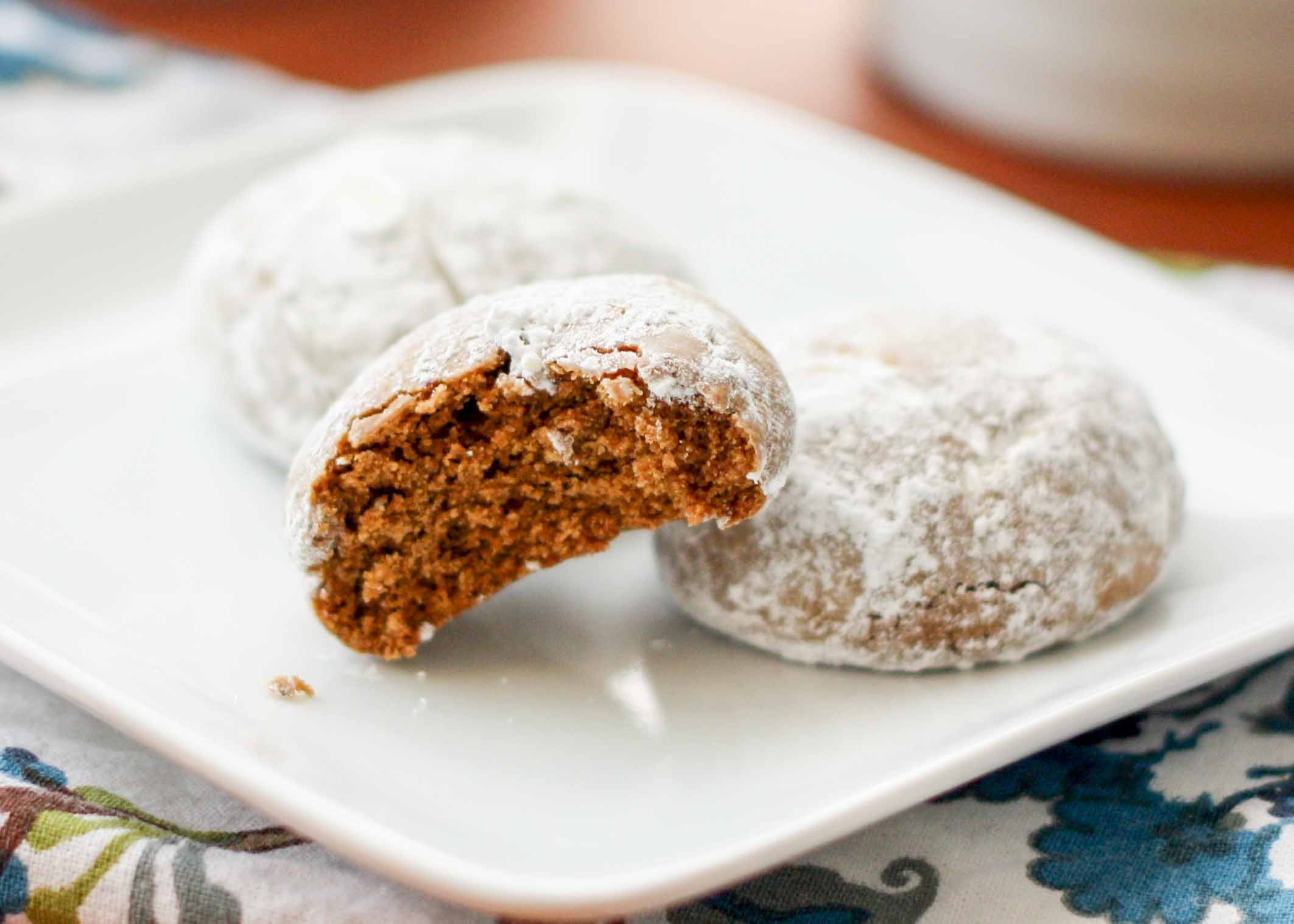
Pfeffernusse: Germany's Fragrant Holiday Cookie Recipe Revealed
As the festive season approaches, the air in many German households fills with the irresistible aroma of traditional holiday baking. Among the cherished treats gracing tables across Germany, Denmark, and the Netherlands, few capture the spirit of Christmas quite like Pfeffernusse. These small, round, intensely spiced cookies are a true emblem of winter warmth and holiday cheer. If you're on the hunt for an authentic
pfeffernusse german pepper nut cookie recipe to elevate your own celebrations, prepare to embark on a delightful culinary journey into the heart of European tradition. Forget the ordinary; Pfeffernusse offers a unique flavor profile that promises to become a treasured part of your holiday repertoire.
The Enchanting History of Pfeffernusse: Germany's Beloved Holiday Treat
The name "Pfeffernusse" literally translates to "pepper nuts," a charming nod to both their often small, nut-like appearance and the historical inclusion of pepper as a key spice. While the pepper in these cookies isn't about heat, it's a testament to a time when exotic spices were precious commodities, often used more for their preservative qualities and aromatic complexity than pure piquancy. These cookies have been a beloved part of European holiday traditions for centuries, with recipes varying subtly from region to region and even family to family.
Unlike many modern Christmas cookies that prioritize sweetness above all, Pfeffernusse cookies offer a sophisticated interplay of deep, earthy sweetness from molasses and brown sugar, intertwined with an aromatic tapestry of ground spices. They are, in essence, a distant cousin to gingerbread, sharing a similar warmth and festive fragrance, yet carving out their own distinct identity through a unique blend of flavors, particularly the pronounced presence of anise. For many, a plate of these powdered sugar-dusted gems is synonymous with the magic of a European Christmas market, evoking nostalgic memories and creating new ones with every bite.
Unveiling the Aromatic Heart: Key Ingredients & Spices
What truly sets Pfeffernusse apart is its extraordinary spice blend. While some might initially compare their powdered sugar coating to Mexican Wedding Cookies, the flavor experience is worlds apart. Pfeffernusse delivers a robust, flavor-packed punch that celebrates the rich heritage of German holiday baking. The star of the show for many variations is anise, imparting a distinctive, slightly licorice-like note that is both comforting and captivating.
Beyond anise, a symphony of other spices contributes to the cookies' complex profile:
*
Cinnamon: Adds classic warmth and sweetness.
*
Cardamom: Brings an exotic, citrusy, and slightly floral undertone.
*
Nutmeg: Provides a sweet, pungent, and woody aroma.
*
Allspice: As its name suggests, it combines notes of cloves, nutmeg, and cinnamon.
*
Cloves: Offers a strong, sweet, and aromatic flavor.
*
Ginger: Contributes a spicy, zesty kick that complements the other warm spices.
*
Black Pepper: While not making the cookie spicy, it adds a subtle, almost floral depth that enhances the overall spice blend, fulfilling the "pepper" in its name.
The base of these cookies is equally important, typically featuring a rich blend of molasses and brown sugar for deep, caramelized sweetness, along with honey and butter for moisture and tenderness. Eggs bind the dough, ensuring a smooth, workable consistency.
A practical tip for aspiring bakers: if your local grocery store offers spices in bulk, consider purchasing smaller quantities of less common spices like cardamom and anise. This is an economical way to experiment with these unique flavors without committing to large, expensive jars you might only use once a year. Stores like Sprouts Farmers Market or specialty spice shops are excellent places to look. To truly delve deeper into the unique spice profile, consider exploring
Unlock the Unique Spice of German Pfeffernusse Pepper Nut Cookies for more insights.
Mastering the Pfeffernusse German Pepper Nut Cookie Recipe: A Step-by-Step Guide
Crafting your own batch of Pfeffernusse is a rewarding experience, culminating in a festive treat that will impress family and friends. While variations exist, the core process remains consistent, ensuring that deep, aromatic flavor and delightful texture. Here’s a general overview to guide you through making this authentic
pfeffernusse german pepper nut cookie recipe. For a more comprehensive exploration, including precise measurements and specific ingredient ratios, refer to
Traditional German Pfeffernusse: Your Spiced Holiday Cookie Guide.
The Process:
1.
Prepare the Wet Base: Begin by gently heating molasses, honey, and butter in a heavy-bottomed pot over low heat. Stir continuously until the butter is melted and all ingredients are smoothly combined into a creamy mixture. It's crucial not to let it boil; just warm enough to meld. Once combined, pour this fragrant mixture into a large bowl and allow it to cool completely to room temperature. This step is vital for incorporating the eggs without scrambling them.
2.
Sift Dry Ingredients: While the molasses mixture cools, sift together your dry ingredients in a separate bowl. This includes all-purpose flour, white sugar, brown sugar, baking soda, salt, and the full array of ground spices: cinnamon, cardamom, allspice, nutmeg, cloves, ginger, and black pepper. Sifting ensures an even distribution of spices and prevents lumps in your dough.
3.
Combine & Mix: Once the molasses mixture is cool, stir in beaten eggs and a touch of anise extract (if using, to boost the anise flavor). Gradually add the sifted dry ingredients to the wet mixture, stirring with a sturdy wooden spoon until everything is thoroughly combined. The dough will be quite stiff and firm at this point – this is normal and desirable.
4.
Chill the Dough: This is a non-negotiable step! Cover the dough and refrigerate it for a minimum of 2 hours, though overnight is often recommended for the best flavor development and easier handling. Chilling allows the flavors to meld and the dough to firm up, making it easier to roll.
5.
Shape and Bake: Preheat your oven to a moderate temperature (around 325°F or 160°C). Lightly grease several baking sheets. Take small portions of the chilled dough and roll them into tiny balls, typically about ½-inch in diameter. These small sizes are part of the traditional charm. Place them a couple of inches apart on the prepared baking sheets. Bake until lightly golden brown, usually for 10-15 minutes, depending on your oven and cookie size. They should be firm but still a little soft to the touch.
6.
Finish with Powdered Sugar: Once the cookies have cooled slightly, you can dust them generously with powdered sugar. Some traditions even involve glazing them with a simple icing before the sugar coating, but a direct dusting is most common and equally delightful.
Enjoying Your Pfeffernusse: Texture, Variations & Pairing Suggestions
One of the fascinating aspects of Pfeffernusse is their versatility in texture, catering to different preferences. When fresh from the oven, they can be wonderfully crisp on the outside with a chewy interior. However, many enthusiasts prefer to let them harden for a week or more, similar to Italian biscotti. This aging process allows the flavors to deepen even further and results in a firmer cookie that is perfect for dunking. Imagine savoring a rich, spiced Pfeffernusse, softened by a warm cup of coffee, tea, or even a glass of mulled wine – it's a truly comforting experience.
The dominant anise flavor can be a point of love or hesitation for some. If you're a fan of black licorice, you're likely to adore these cookies. If it's typically not your preferred flavor, don't write them off entirely! The medley of other spices often balances the anise, creating a unique and surprisingly appealing taste. Moreover, some recipes feature less anise or even omit it, allowing other spices like cardamom or ginger to take a more prominent role. These cookies also make exceptional holiday gifts, packaged beautifully in tins or cello bags. Store them in an airtight container at room temperature, where they will keep well for several weeks, if not longer, continuing to develop their complex flavors over time.
Conclusion
Pfeffernusse are more than just cookies; they are a centuries-old tradition, a sensory journey, and a taste of European holiday magic. From their intriguing name and aromatic spice blend to their versatile texture, these "pepper nuts" offer a distinctly unique and memorable experience. Whether you're an experienced baker or new to the world of German confections, attempting this delightful
pfeffernusse german pepper nut cookie recipe promises to fill your home with an irresistible fragrance and your palate with rich, complex flavors. This holiday season, invite a piece of German heritage into your kitchen and discover the enduring charm of Pfeffernusse – a truly fragrant and flavorful cookie that will undoubtedly become a cherished part of your festive celebrations.