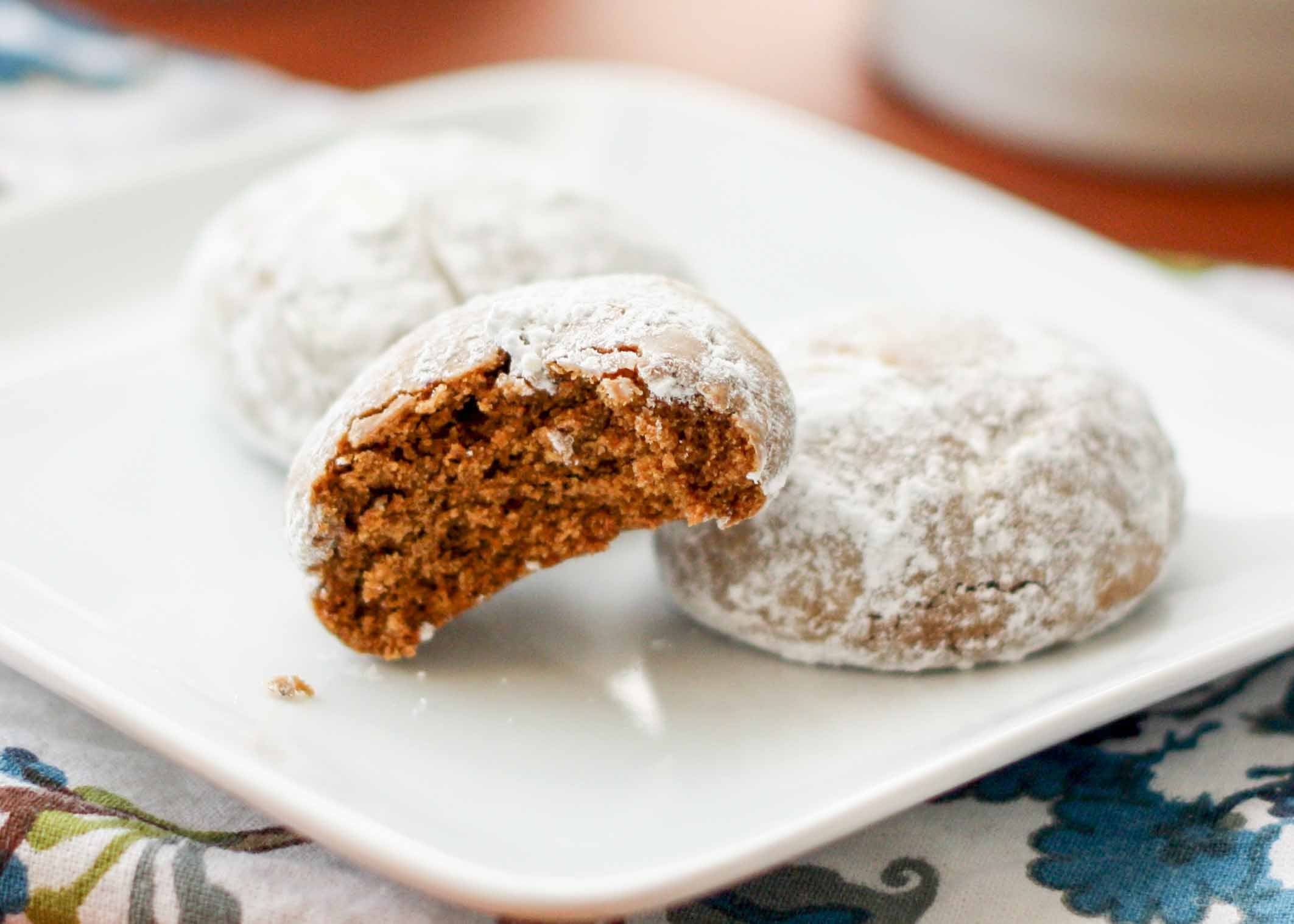
Unlock the Unique Spice of German Pfeffernusse Pepper Nut Cookies
As the festive season approaches, many kitchens worldwide begin to fill with the warm, inviting aromas of holiday baking. Among the myriad of beloved treats, one stands out for its rich history and profoundly unique flavor profile: the Traditional German Pfeffernusse. These delightful, bite-sized "pepper nut" cookies are more than just a sweet snack; they are a cherished tradition, a culinary journey to the heart of German, Dutch, and Danish holiday celebrations. If you're searching for an authentic pfeffernusse german pepper nut cookie recipe to truly elevate your holiday spread, you've come to the right place. Get ready to discover the magic of these deeply spiced, molasses-infused wonders.
What Are Pfeffernusse? A Dive into German Holiday Tradition
Pfeffernusse, literally translating to "pepper nuts," are small, round cookies that have graced European holiday tables for centuries. Originating in Germany, their popularity has spread throughout Northern Europe, making them a staple Christmas treat in Denmark and the Netherlands as well. Despite their unassuming appearance—often dusted generously with powdered sugar—these cookies pack an incredible punch of flavor, unlike anything you might have experienced before.
At their core, Pfeffernusse are defined by a harmonious blend of ground spices, robust molasses, and rich brown sugar. While they might bear a superficial resemblance to Mexican Wedding Cookies due to their snowy coating, the similarities end there. Pfeffernusse are a flavor-packed experience, a true testament to the power of a well-balanced spice mixture. Their fragrance alone is enough to transport you to a cozy, festive setting, often compared to the comforting aroma of gingerbread, but with a distinctive twist.
The dominant flavor in these intricate cookies is often anise, which provides a sweet, slightly licorice-like note that is both intriguing and utterly delicious for those who appreciate it. However, anise doesn't stand alone. It engages in a delightful competition for attention with a symphony of other spices, including warm cinnamon, fragrant cardamom, earthy nutmeg, aromatic allspice, pungent cloves, and, notably, a hint of black pepper. The "pepper" in Pfeffernusse is crucial; it doesn't make the cookies spicy in a chili-heat sense, but rather adds a subtle warmth and complexity that elevates the entire profile. It's an ingredient that, while not included in all recipes, adds an authentic depth that true enthusiasts cherish.
Crafting the Perfect Pfeffernusse: Essential Ingredients and Spices
To truly unlock the unique flavor of a pfeffernusse german pepper nut cookie recipe, the quality and combination of ingredients are paramount, especially when it comes to the spices. These cookies are a celebration of aromatics, and each component plays a vital role in creating that signature taste and texture.
The Spice Medley: A Symphony of Flavors
The heart of any good Pfeffernusse recipe lies in its extensive spice blend. Beyond the dominant anise, here’s a closer look at the key players and their contributions:
- Anise: Often the star, it provides a distinctive, sweet, slightly licorice-like flavor. Its presence is unmistakable and is what sets Pfeffernusse apart for many.
- Cinnamon: Adds warmth and a universally loved sweet-spicy note.
- Cardamom: Brings a unique, aromatic, slightly citrusy, and floral undertone.
- Nutmeg: Offers a warm, nutty, and slightly sweet earthiness.
- Allspice: As its name suggests, it combines notes of cloves, nutmeg, and cinnamon, adding complexity.
- Cloves: Contributes a strong, pungent, and warm aroma.
- Ginger: Adds a zesty, warming, and slightly peppery kick, complementing the other spices beautifully.
- Black Pepper: This is the "pepper" in "pepper nut." While not making the cookie hot, it adds a subtle, earthy pungency and warmth, enhancing the overall spice profile and depth. It's a key ingredient for an authentic touch.
Pro Tip: For the most vibrant flavor, use fresh, high-quality spices. If you have access to a store that sells spices in bulk, consider buying small quantities of less-frequently used spices like cardamom or anise. This ensures freshness without committing to a large jar that might sit in your cupboard for years, losing its potency. A teaspoon of cardamom or anise from a bulk bin can cost mere pennies but make all the difference in your holiday baking.
The Foundation: Molasses, Honey, and Butter
Beyond the spices, the wet ingredients provide the essential sweetness, moisture, and binding for the dough:
- Molasses: This is critical for the characteristic dark color, deep, earthy sweetness, and chewy texture. It adds a depth of flavor that white sugar alone cannot achieve.
- Honey: Contributes additional sweetness, a distinct floral note, and helps keep the cookies moist.
- Unsalted Butter: Adds richness, tenderness, and a delicious foundational flavor.
- Brown Sugar & White Sugar: A combination provides both caramel notes and structure.
- Eggs: Act as a binder, adding richness and helping with the cookie's structure.
- Anise Extract: An optional but highly recommended addition to further amplify that signature anise flavor.
By carefully selecting and combining these ingredients, you're well on your way to creating a truly memorable batch of Pfeffernusse: Germany's Fragrant Holiday Cookie Recipe Revealed.
Mastering the Pfeffernusse German Pepper Nut Cookie Recipe: Step-by-Step
Making Pfeffernusse is a rewarding experience that combines simple steps with a bit of patience. The dough is known for its stiffness, but don't be intimidated; it's a hallmark of the recipe and contributes to the cookies' final texture.
Recipe Essentials and Preparation
To begin your journey into this classic pfeffernusse german pepper nut cookie recipe, gather your ingredients:
- ½ cup molasses
- ¼ cup honey
- ½ cup unsalted butter
- 4 cups all-purpose flour
- ¾ cup white sugar
- ½ cup brown sugar
- 2 tsp ground cinnamon
- 1 ½ tsp baking soda
- 1 ½ tsp ground cardamom
- 1 tsp ground allspice
- 1 tsp ground nutmeg
- 1 tsp ground cloves
- 1 tsp ground ginger
- 1 tsp black pepper (freshly ground for best flavor)
- ½ tsp salt
- 2 large eggs, beaten
- 1 tsp anise extract (optional, but recommended)
The Process: From Dough to Deliciousness
- Melt the Wet Ingredients: In a heavy-bottomed, non-reactive pot, combine the molasses, honey, and butter. Place over low heat, stirring frequently until the butter is completely melted and all ingredients are smoothly combined. The mixture should be creamy but not boiled. Remove from heat, pour into a large bowl, and allow it to cool completely to room temperature. This cooling step is crucial; adding eggs to a hot mixture will cook them.
- Sift the Dry Ingredients: While the molasses mixture cools, sift together the flour, white sugar, brown sugar, cinnamon, baking soda, cardamom, allspice, nutmeg, cloves, ginger, black pepper, and salt in a separate large bowl. Sifting ensures an even distribution of spices and prevents lumps.
- Combine and Chill: Once the molasses mixture has cooled, stir in the beaten eggs and the anise extract (if using). Gradually add the sifted dry ingredients to the wet mixture, stirring with a sturdy wooden spoon. The dough will become very stiff as you incorporate all the flour, requiring some arm strength. Once thoroughly combined, cover the dough and refrigerate for a minimum of 2 hours, or ideally overnight. Chilling is essential for the flavors to meld and for the dough to firm up, making it easier to handle.
- Bake the Cookies: Preheat your oven to 325°F (160°C). Lightly grease several baking sheets. Roll small portions of the chilled dough into ½-inch diameter balls. This is where the "nut" in "pepper nut" comes from, referring to their small size. Place the dough balls on the prepared baking sheets, leaving a small space between them.
- Baking and Cooling: Bake for 10-12 minutes, or until the edges are lightly golden and the cookies are set. Be careful not to overbake, as they can become too hard. Remove from the oven and let them cool on the baking sheets for a few minutes before transferring them to a wire rack to cool completely.
Once cooled, many traditional recipes call for dusting them generously with powdered sugar, or even glazing them with a thin sugar glaze, for that iconic festive look and an extra touch of sweetness.
Enjoying Your Pfeffernusse: Serving Suggestions and Variations
The beauty of Pfeffernusse lies not only in their intricate flavors but also in their versatility and how they can be enjoyed. There are distinct preferences for their texture, offering a different experience depending on how you like them.
Texture and Serving Preferences
Some aficionados prefer their Pfeffernusse fresh out of the oven, where they boast a delightful crisp exterior and a satisfyingly chewy interior. This makes them a wonderful addition to a holiday cookie platter, providing a unique contrast to softer, more traditional cookies.
However, another popular tradition is to let these cookies harden for about a week, similar to biscotti. This curing process allows the flavors to deepen even further and transforms their texture, making them perfect for dunking. Imagine a crisp Pfeffernusse, softened in a steaming cup of coffee, tea, or even mulled wine—it's a truly comforting and authentic German experience that many people cherish, reminiscent of childhood memories.
Pairing and Gift-Giving
Pfeffernusse are an excellent accompaniment to warm beverages. Their bold spice profile pairs wonderfully with black coffee, hot chocolate, or even a robust chai tea. For an adult treat, consider serving them alongside a glass of port wine or a digestif. They also make magnificent homemade gifts during the holidays. Package them in decorative tins or bags, and include a small note about their rich history and unique flavor profile.
A Note on Anise Appreciation
It's worth mentioning that the prominent anise flavor can be a point of personal preference. If you are a fan of black licorice, you are highly likely to fall in love with these cookies, finding their unique taste utterly captivating. For those who are less keen on licorice, the blend of other spices still offers a complex and appealing cookie, and the anise flavor tends to mellow slightly with time. For a subtle hint of the flavor, you can always slightly reduce the amount of anise extract or skip it entirely, letting the other spices shine even more brightly.
Conclusion
The pfeffernusse german pepper nut cookie recipe is more than just instructions for baking; it's an invitation to partake in a rich European holiday tradition. These small, round gems, bursting with molasses, brown sugar, and an exquisite blend of spices including the distinctive anise and warming black pepper, offer a truly unique and memorable flavor experience. Whether you prefer them fresh and chewy or hardened for dunking, Pfeffernusse are a testament to the comforting power of holiday baking. So, this festive season, why not embark on a culinary adventure? Fill your home with their intoxicating aroma and delight your loved ones with a taste of German heritage. Happy baking!
