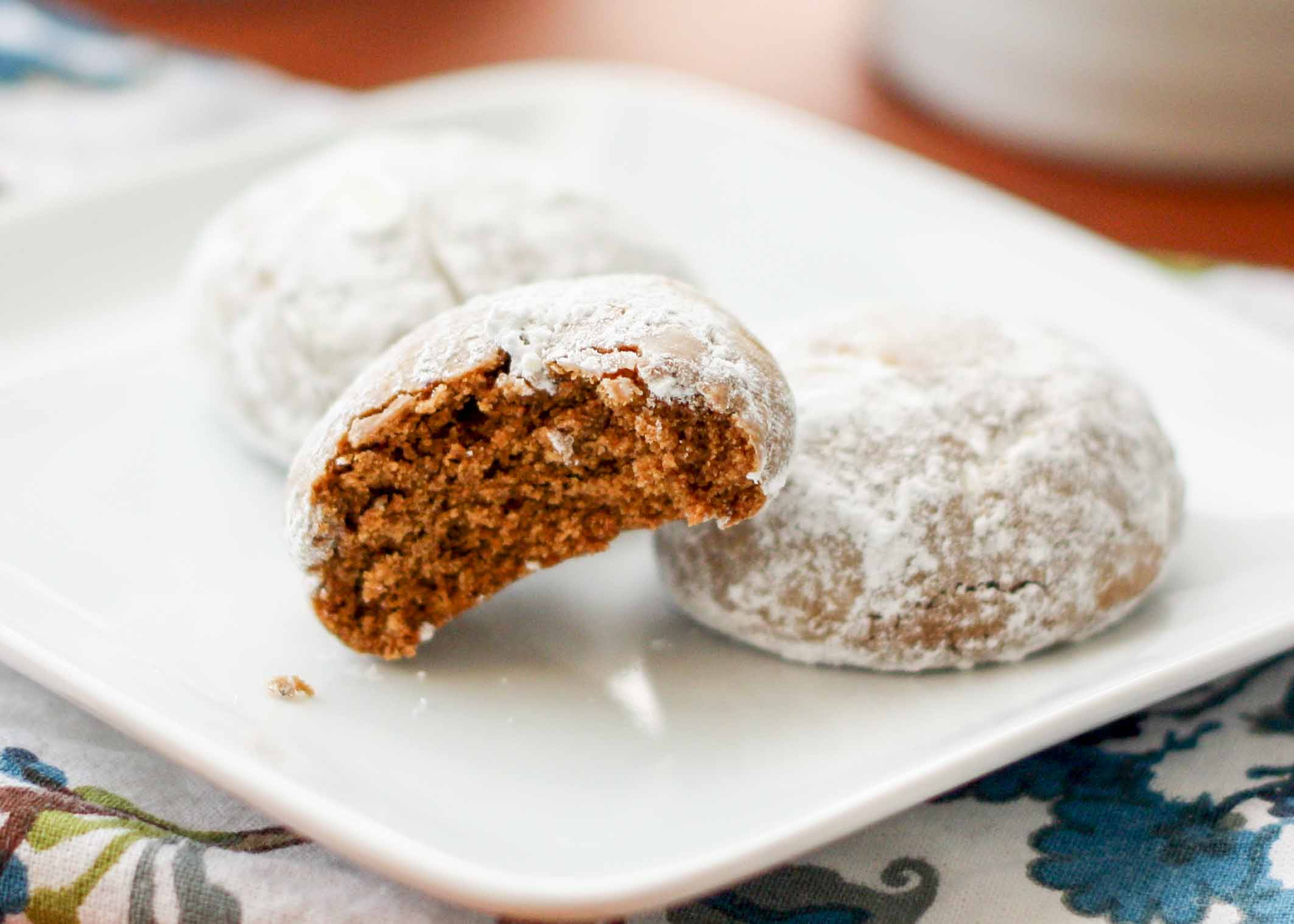
Traditional German Pfeffernusse: Your Spiced Holiday Cookie Guide
As the festive season approaches, kitchens across Germany, Denmark, and the Netherlands begin to fill with an irresistible aroma – the sweet, spicy, and deeply comforting scent of Pfeffernusse. These delightful "pepper nut" cookies are a beloved holiday tradition, small, round bites packed with an extraordinary blend of ground spices, rich molasses, and warming brown sugar. If you've never encountered them before, prepare to discover a truly unique culinary experience that will redefine your perception of holiday baking. Our comprehensive guide will walk you through the essence of this timeless treat, culminating in a fantastic
pfeffernusse german pepper nut cookie recipe you'll cherish.
What Makes Traditional German Pfeffernusse So Special?
Pfeffernusse, often affectionately called "Pepper Nut Cookies," stand out in the crowded world of holiday treats. Unlike their often milder counterparts, these cookies offer a bold and intricate flavor profile that speaks to centuries of spice trading and baking traditions. Originating in Germany, their popularity has spread throughout Northern Europe, becoming a staple on Christmas tables.
At first glance, with their characteristic dusting of powdered sugar, they might bear a superficial resemblance to Mexican Wedding Cookies or even certain shortbreads. However, any similarity ends there. Pfeffernusse are a flavor powerhouse, deeply rooted in a rich spice blend that provides warmth and complexity. The name itself, "Pfeffernusse," translates literally to "pepper nuts," hinting at one of their defining ingredients, which we'll explore in detail. Rest assured, while pepper is present, it contributes a subtle zest rather than an overwhelming heat, creating a harmonious balance with the other spices.
The texture of Pfeffernusse is another point of fascination, as it varies depending on preference and tradition. Some enjoy them when they are still crisp on the outside with a wonderfully chewy interior, perfect for immediate gratification. Others prefer to let them age for up to a week, allowing them to harden into a biscotti-like consistency, ideal for dunking into coffee or tea. This versatility only adds to their charm and appeal.
The Symphony of Spices: Crafting the Perfect Pfeffernusse Flavor
The true magic of a traditional
pfeffernusse german pepper nut cookie recipe lies in its unparalleled blend of spices. This isn't just a dash of cinnamon; it's a carefully orchestrated symphony where each spice plays a crucial role in creating the iconic Pfeffernusse experience.
The undisputed star of this spice ensemble is often anise. Its distinctive licorice-like notes are prominent and contribute significantly to the cookie's unique character. While some may find anise a polarizing flavor, for many, it's the very essence of Pfeffernusse, evoking a sense of nostalgic holiday cheer. Alongside anise, you'll find a chorus of other warm spices vying for attention: earthy cinnamon, fragrant cardamom, sweet nutmeg, pungent allspice, sharp cloves, and a hint of ginger.
And then there's the pepper. The "pepper" in Pfeffernusse (black pepper, specifically) doesn't aim to make the cookie spicy in the way a chili might. Instead, it adds a subtle, almost floral back-note and a gentle warmth that elevates the other spices. It’s a sophisticated layer that distinguishes Pfeffernusse from other spiced cookies. Including it is a nod to tradition and an opportunity to explore a surprisingly delightful flavor dimension.
To achieve the most vibrant and fragrant results, the quality and freshness of your spices are paramount. If you have access to stores that sell spices in bulk, like some natural food markets, consider purchasing small quantities of less common spices like cardamom and anise. This allows you to get exactly what you need without committing to large, expensive jars that might sit unused, ensuring peak freshness for your holiday baking. The aroma that fills your kitchen as these cookies bake is a testament to the power of fresh, high-quality spices.
Your Step-by-Step Pfeffernusse German Pepper Nut Cookie Recipe
Ready to embark on your own Pfeffernusse journey? This adapted recipe provides a sturdy foundation for creating these beloved German holiday cookies in your own home. Get ready for a deeply aromatic and rewarding baking experience! For more insights into these unique treats, you might also enjoy
Unlock the Unique Spice of German Pfeffernusse Pepper Nut Cookies.
Ingredients:
- ½ cup unsalted butter
- ½ cup molasses (unsulphured for best flavor)
- ¼ cup honey
- 4 cups all-purpose flour
- ¾ cup white sugar
- ½ cup packed light brown sugar
- 2 tsp ground cinnamon
- 1 ½ tsp baking soda
- 1 ½ tsp ground cardamom
- 1 tsp ground allspice
- 1 tsp ground nutmeg
- 1 tsp ground cloves
- 1 tsp ground ginger
- ½ to 1 tsp freshly ground black pepper (adjust to your preference)
- ¼ tsp salt
- 2 large eggs, beaten
- 1 tsp anise extract (or ½ tsp ground anise seed if preferred)
Directions:
- Prepare the Wet Mixture: In a heavy-bottomed, non-reactive saucepan (1 to 1½ quart size), combine the butter, molasses, and honey. Place over low heat, stirring continuously until the butter is completely melted and all ingredients are smoothly combined. The mixture should be creamy, but it's crucial not to let it boil. Remove from heat and pour into a large mixing bowl. Allow this mixture to cool completely to room temperature. This step is essential to prevent the eggs from scrambling when added later.
- Sift Dry Ingredients: While the molasses mixture cools, sift together the flour, white sugar, brown sugar, cinnamon, baking soda, cardamom, allspice, nutmeg, cloves, ginger, black pepper, and salt in a separate large bowl. Sifting ensures an even distribution of spices and prevents lumps.
- Combine Wet and Dry: Once the molasses mixture has reached room temperature, stir in the beaten eggs and the anise extract (or ground anise seed). Gradually add the sifted dry ingredients to the wet mixture, stirring with a sturdy wooden spoon. Continue mixing until everything is thoroughly combined. The dough will be quite stiff and thick at this point.
- Chill the Dough: Cover the bowl tightly with plastic wrap and refrigerate the dough for a minimum of 2 hours. Chilling the dough is vital; it allows the flavors to meld, the flour to fully hydrate, and makes the dough much easier to handle for rolling. Ideally, you can chill it overnight or even for 24 hours for deeper flavor development.
- Preheat Oven & Prepare Baking Sheets: After chilling, preheat your oven to 325°F (160°C). Lightly grease several baking sheets or line them with parchment paper.
- Roll the Cookies: Take small portions of the chilled dough and roll them into ½-inch diameter balls. Aim for consistency in size to ensure even baking. Place the rolled balls about 1 inch apart on the prepared baking sheets.
- Bake: Bake for 10-12 minutes, or until the edges are lightly golden and the cookies are set. They should still be somewhat soft in the center when removed from the oven.
- Cool & Finish: Let the cookies cool on the baking sheets for a few minutes before transferring them to a wire rack to cool completely. Once cooled, you can dust them generously with powdered sugar, a traditional finishing touch that adds a lovely visual appeal and a touch of sweetness.
Tips for Pfeffernusse Perfection and Enjoyment
Baking Pfeffernusse is a delightful journey, and a few extra tips can elevate your experience and ensure truly perfect results.
*
Spice Freshness: As mentioned, fresh spices make all the difference. If your spices have been in the cupboard for years, consider replacing them. A simple sniff test can tell you if they've lost their potency.
*
Dough Chilling is Key: Don't skip or shorten the chilling time. It’s crucial for both flavor development and workability. A well-chilled dough is less sticky and easier to roll into perfect little spheres.
*
Consistent Size: When rolling the dough balls, try to make them as uniform as possible. This ensures they bake evenly and look professional. A small cookie scoop can be very helpful here.
*
Embrace the Texture: Decide how you prefer your Pfeffernusse. For a crispier, chewier cookie, enjoy them shortly after cooling. For the harder, dunkable version, store them in an airtight container for a week or more. They develop a fantastic depth of flavor as they age.
*
Serving Suggestions: These cookies are sublime with a cup of strong coffee, hot tea, or even a glass of mulled wine. They also make an incredibly thoughtful and unique homemade holiday gift.
*
Beyond Powdered Sugar: While powdered sugar is traditional, some enjoy a thin lemon or orange glaze over their Pfeffernusse, adding another layer of citrusy brightness that complements the spices beautifully.
*
Storage: Store Pfeffernusse in an airtight container at room temperature. They keep well for several weeks, and as noted, their flavor often deepens over time.
For an even deeper dive into the aromatic world of these German treats, be sure to check out
Pfeffernusse: Germany's Fragrant Holiday Cookie Recipe Revealed.
Conclusion
Traditional German Pfeffernusse are far more than just cookies; they are a fragrant, flavorful embodiment of holiday cheer and a testament to rich culinary traditions. Their complex blend of warming spices, the subtle kick of pepper, and the comforting sweetness of molasses create an unforgettable taste experience. Whether you're drawn to their intriguing history, their unique flavor profile dominated by anise, or simply the joy of baking something truly special, mastering this
pfeffernusse german pepper nut cookie recipe will add a distinctive and cherished element to your festive celebrations. Embrace the aroma, savor the flavor, and share the tradition of these wonderful "pepper nut" cookies with your loved ones this holiday season.